Ethio-Djibouti Railway

The Railway Ride

The flying cinema in the visitor centre came with a library of stock rides. The first film made for it was a train trip from A to B: correct, and forgettable. This is the second one. It gives the ride a story, a narrator and an arc, and it uses every axis of the seat and every effect in the room to tell it.

Industry
Ethio-Djibouti Railway
Type
Immersive Content
Role
Creative director
Tools
Unreal Engine, Sequencer, Niagara, Cinema 4D, Whisk
Period
2025
The Railway Ride image 1
The Railway Ride frame 1
The Railway Ride frame 2
The Railway Ride frame 3
The Railway Ride frame 4
The Railway Ride frame 5
The Railway Ride frame 6
The Railway Ride frame 7
The Railway Ride frame 8
The Railway Ride frame 9
The Railway Ride frame 10
The Railway Ride frame 11
The Railway Ride frame 12
The Railway Ride frame 13
The Railway Ride frame 14
The Railway Ride frame 15
The Railway Ride frame 16
The Railway Ride frame 17
The Railway Ride frame 18
The Railway Ride frame 19
The Railway Ride frame 20

A hundred years in five minutes

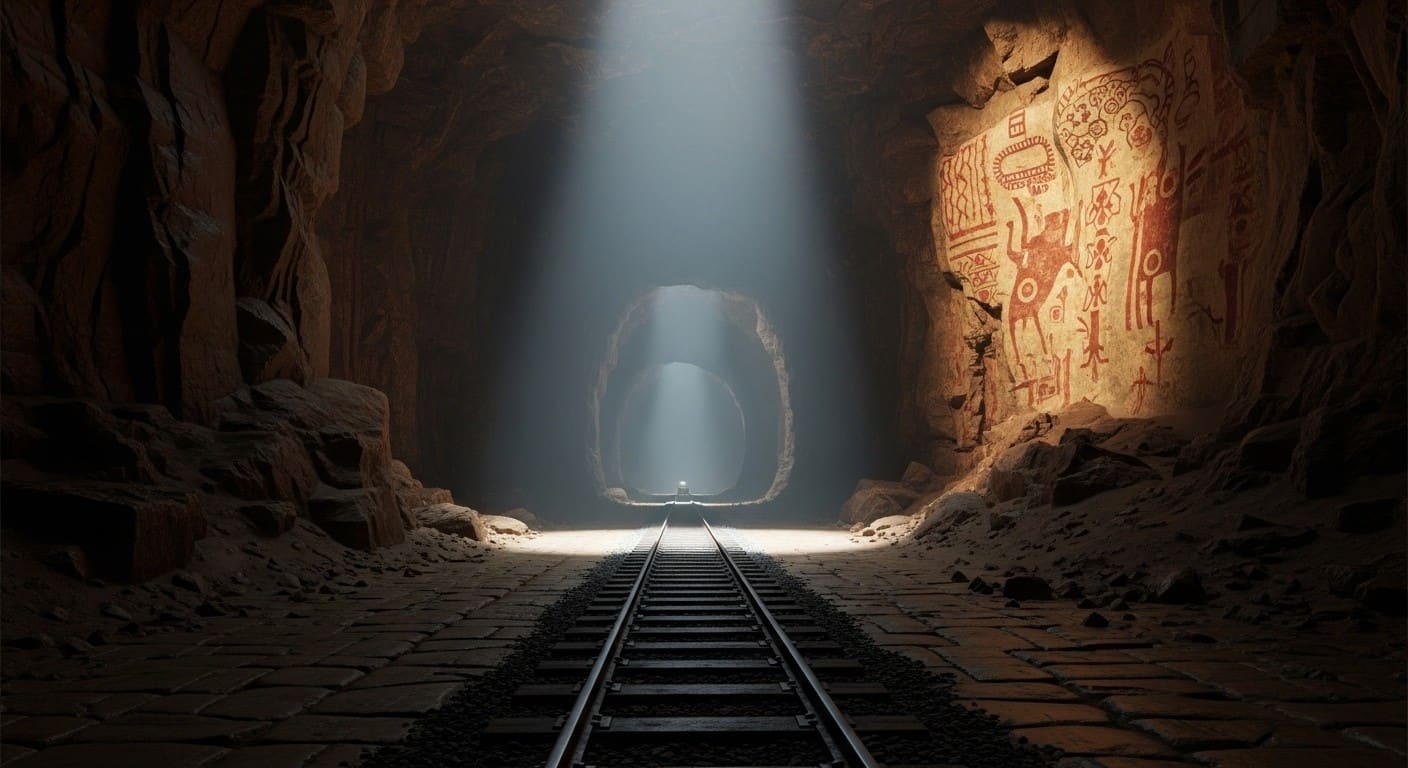
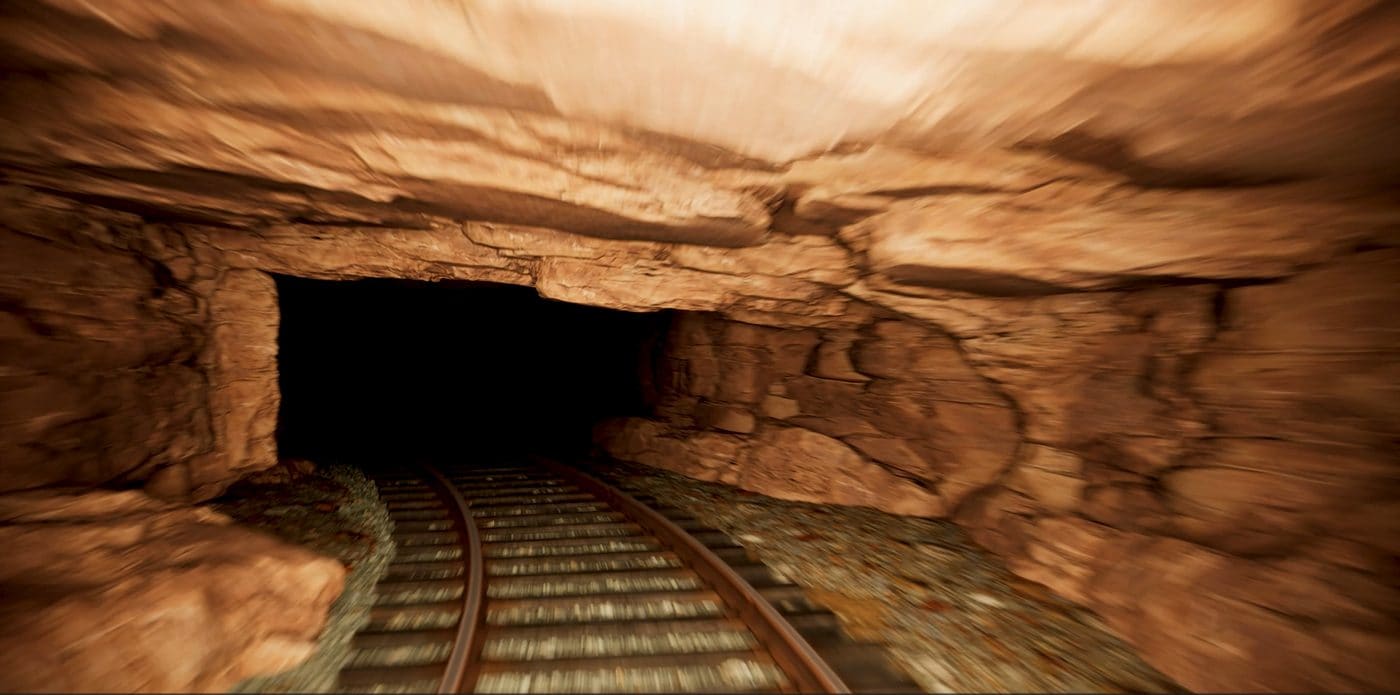
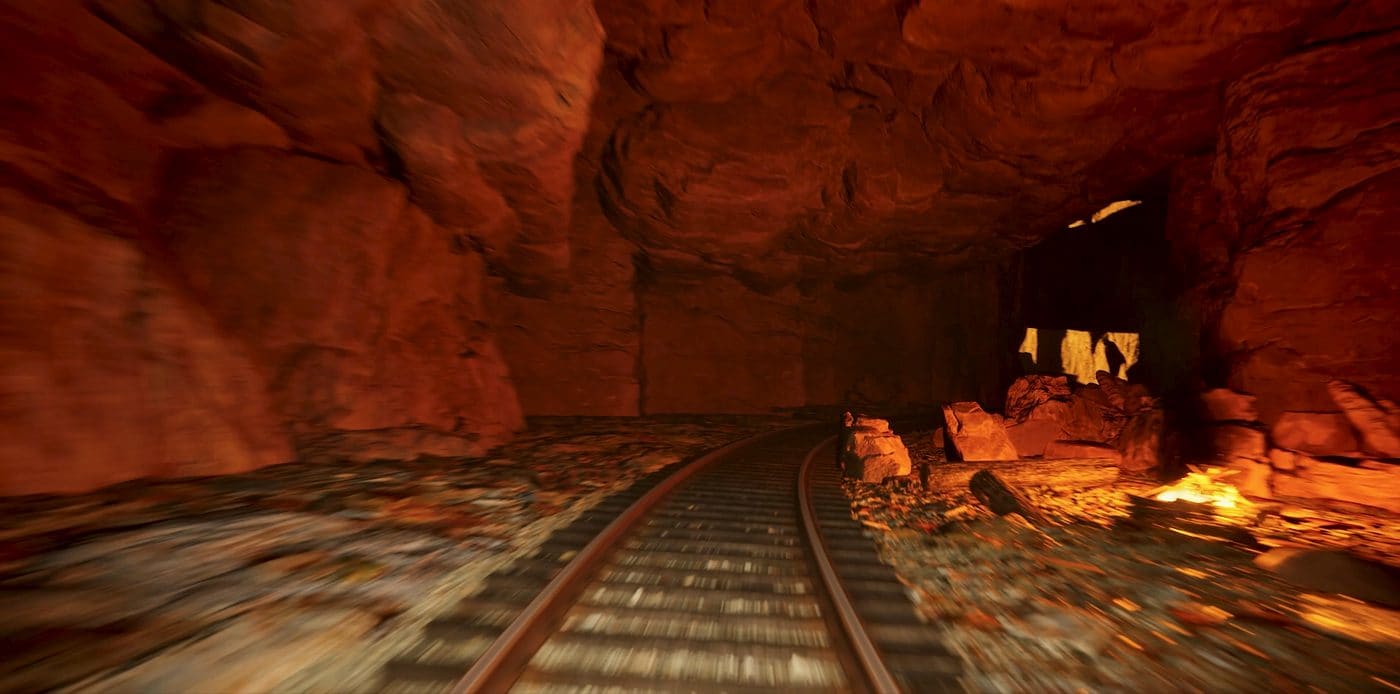
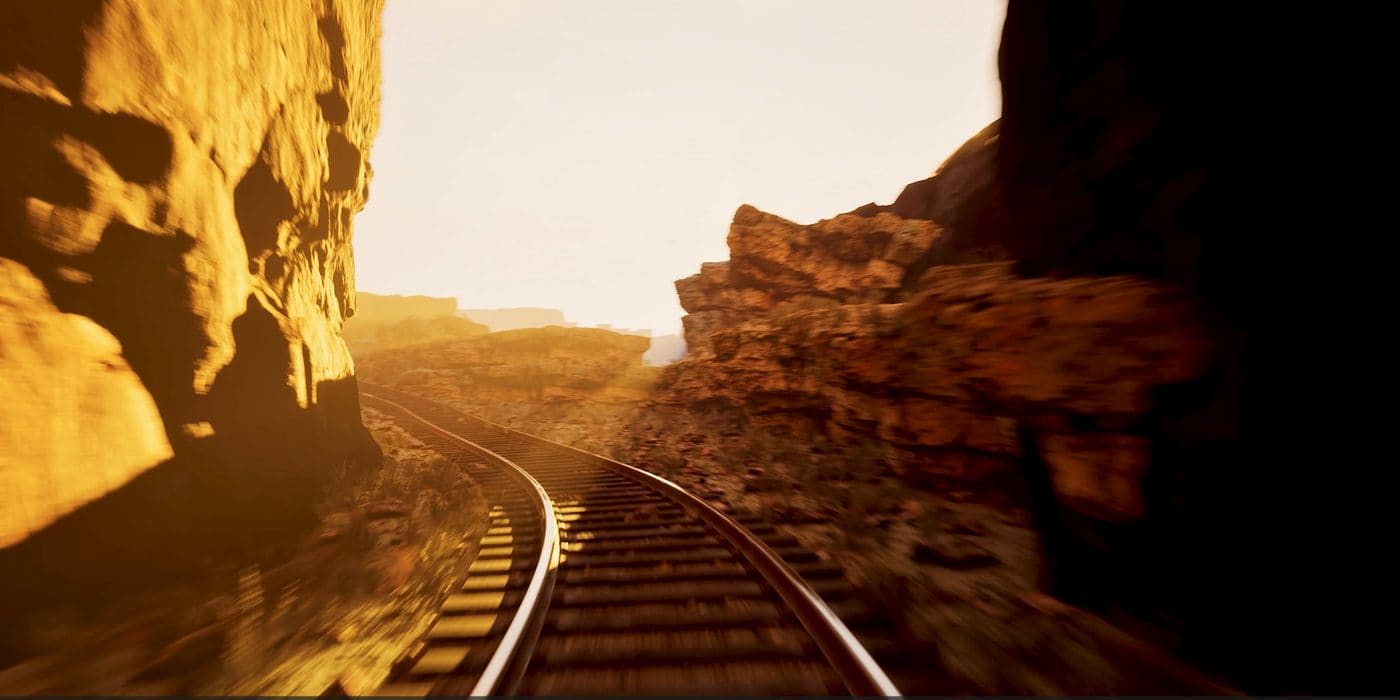
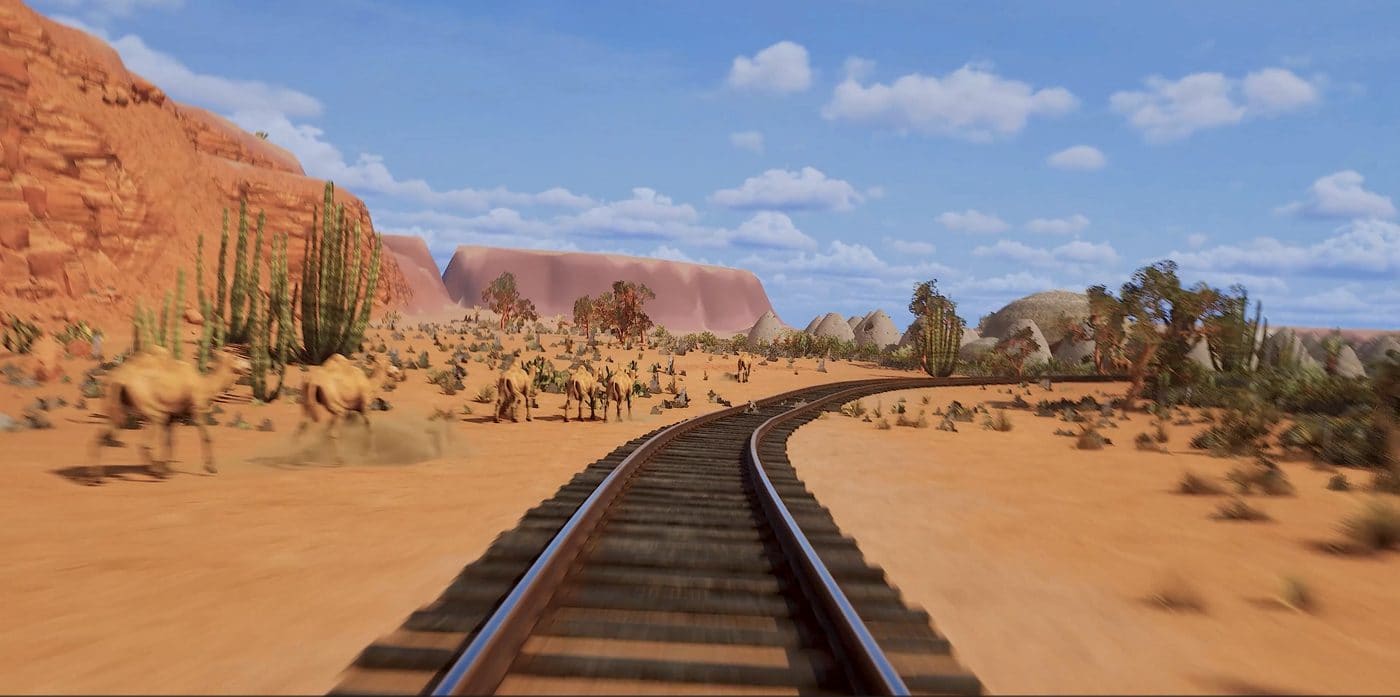
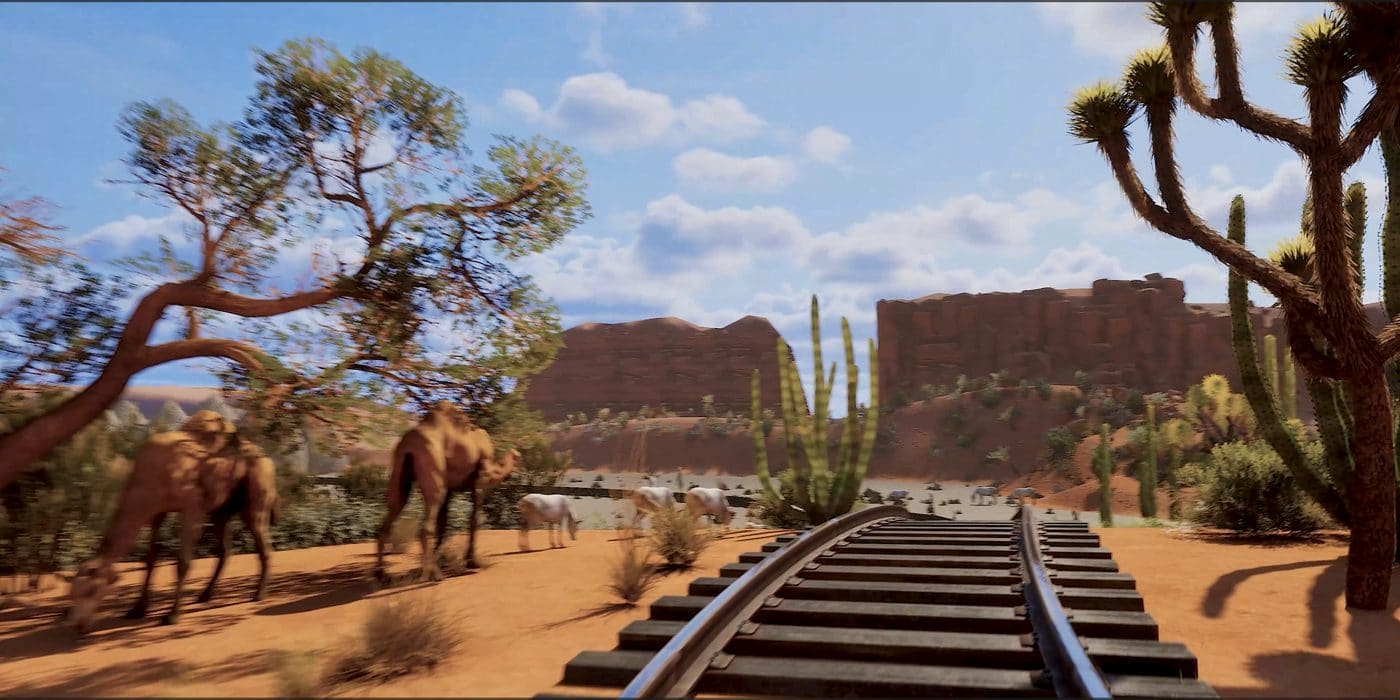
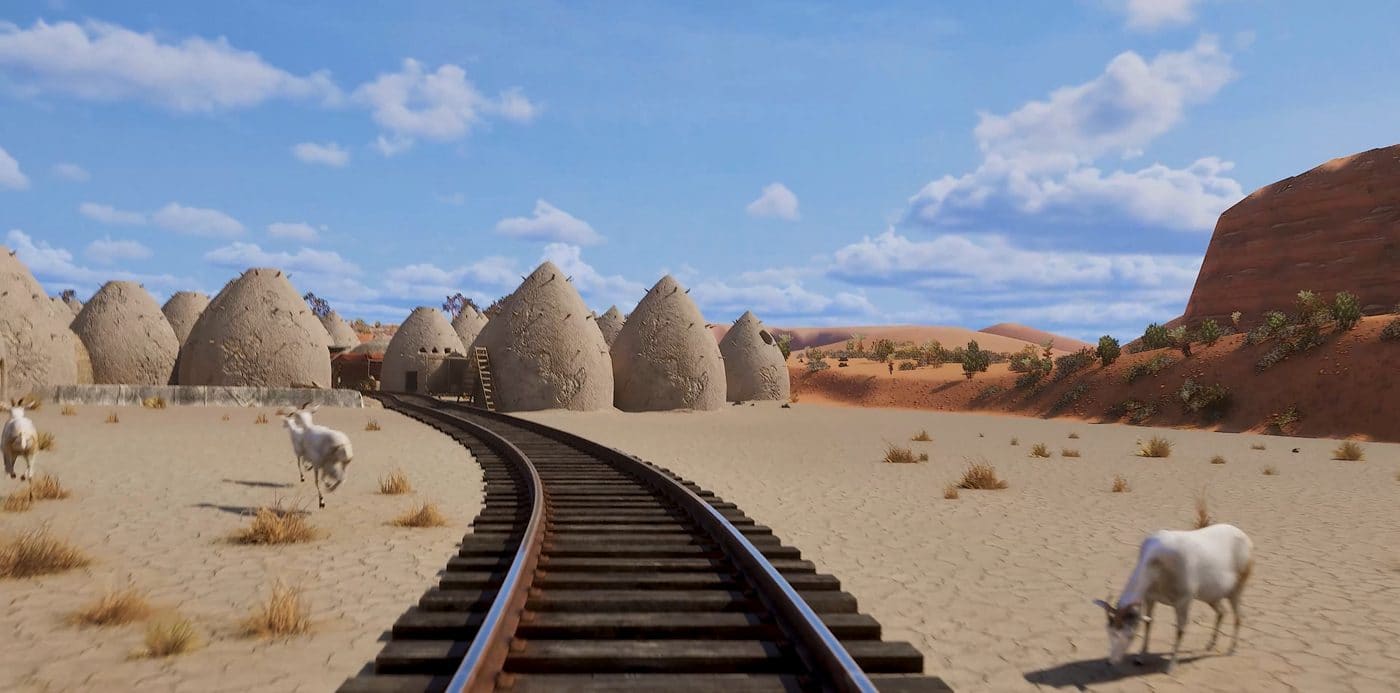
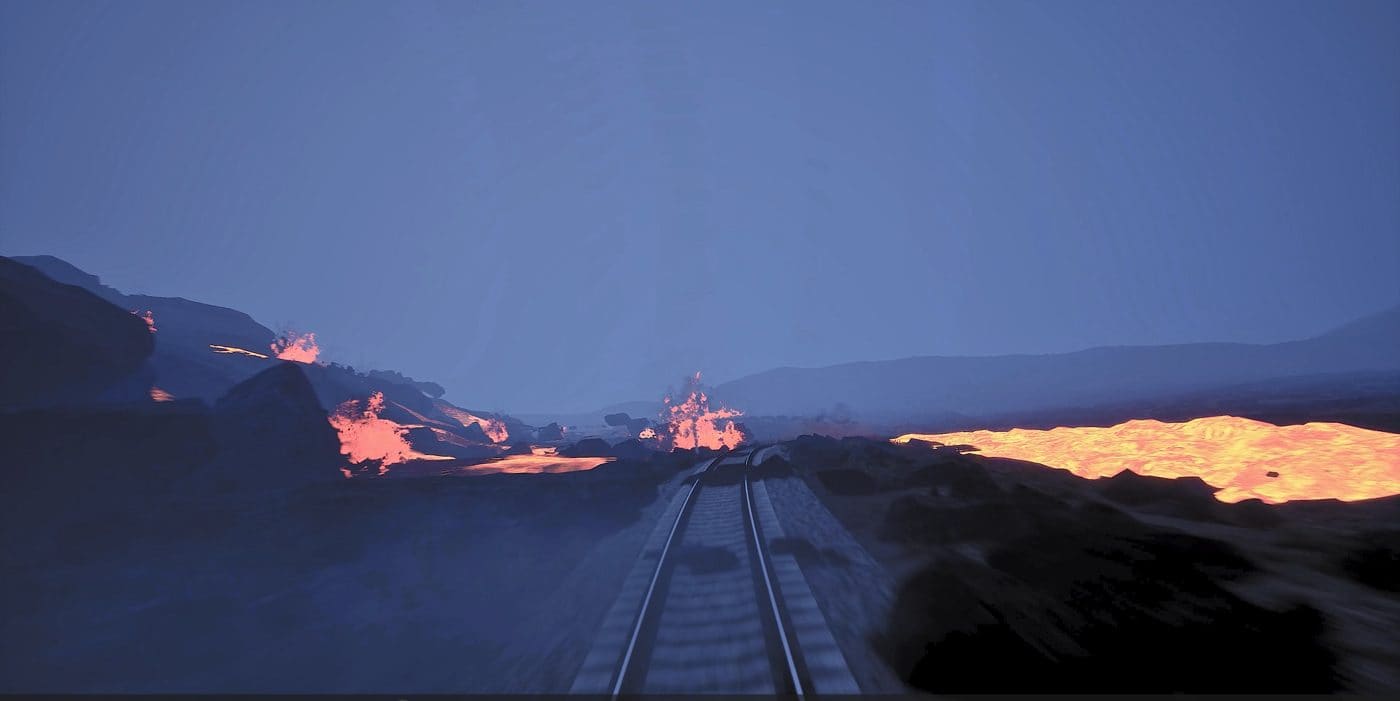
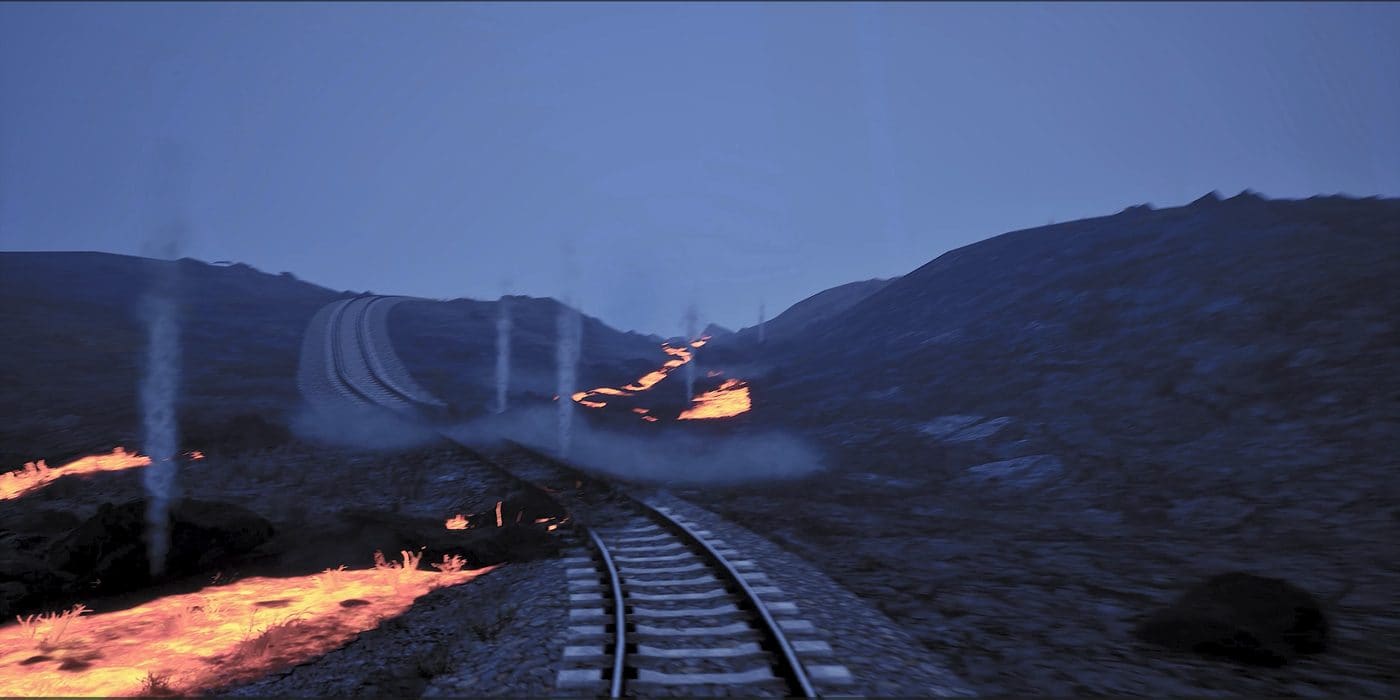
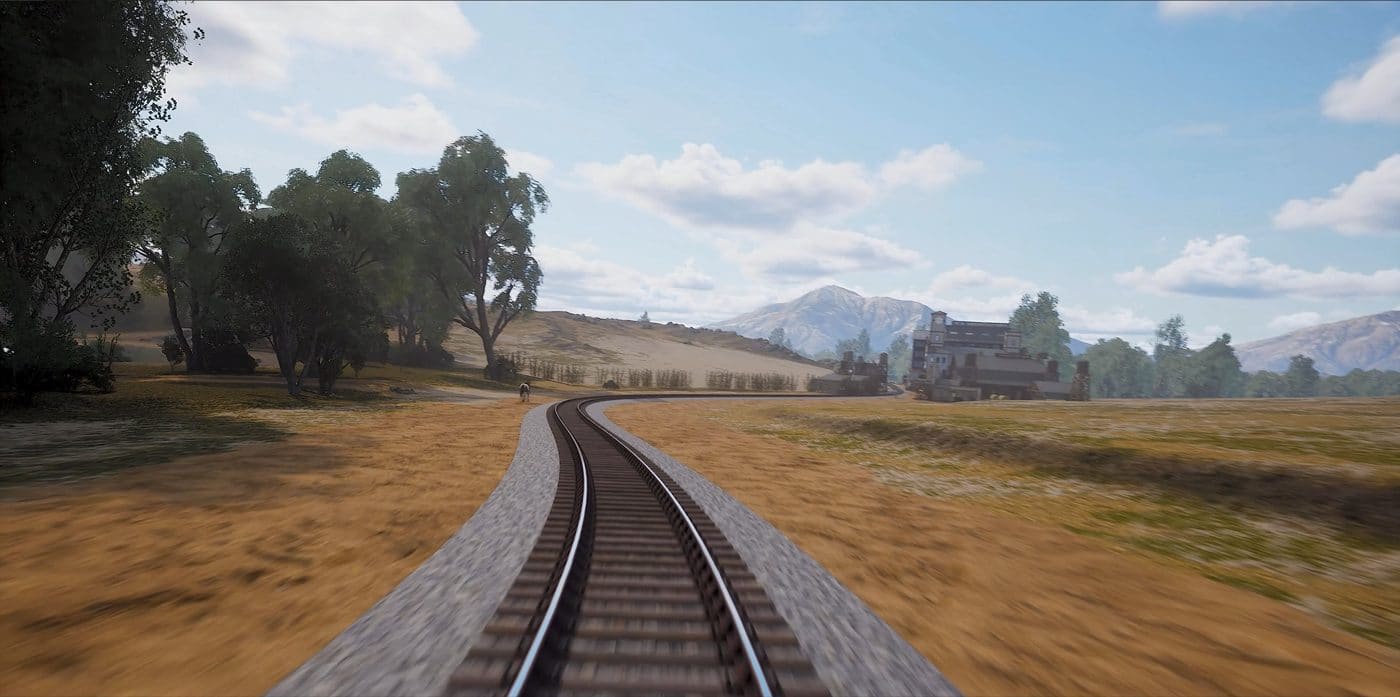
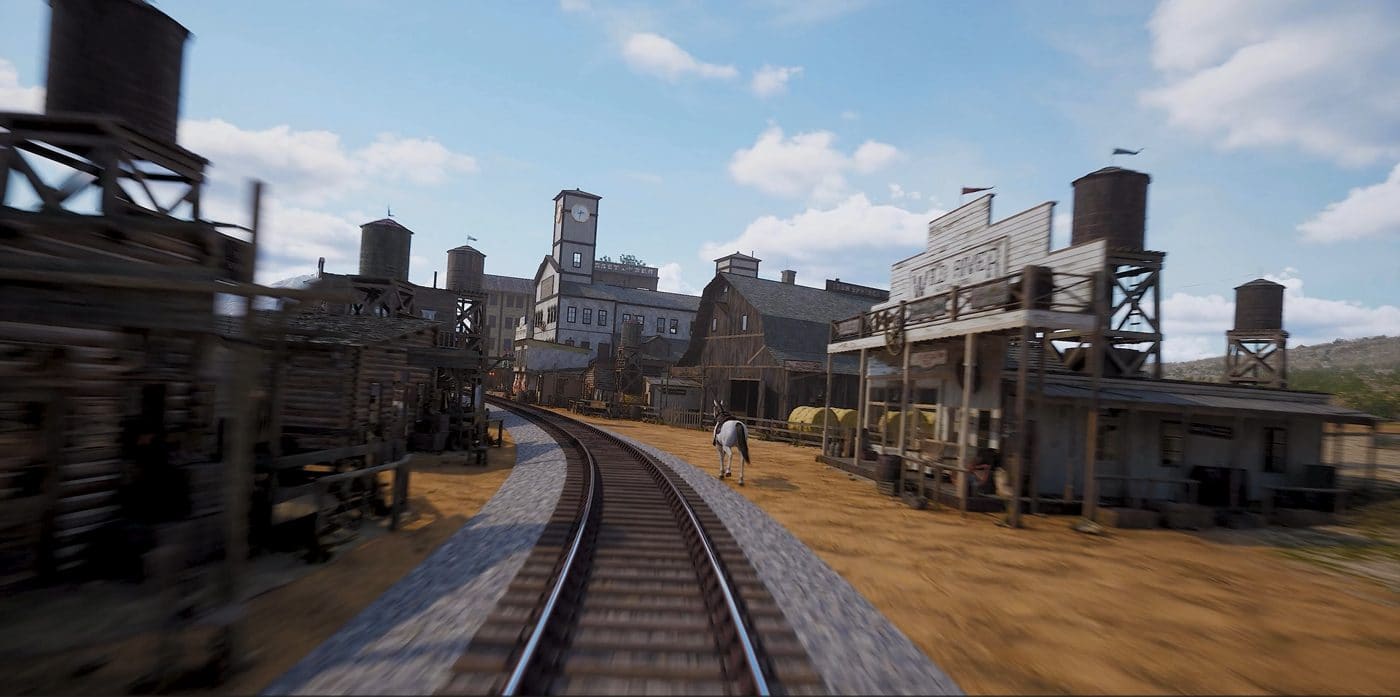
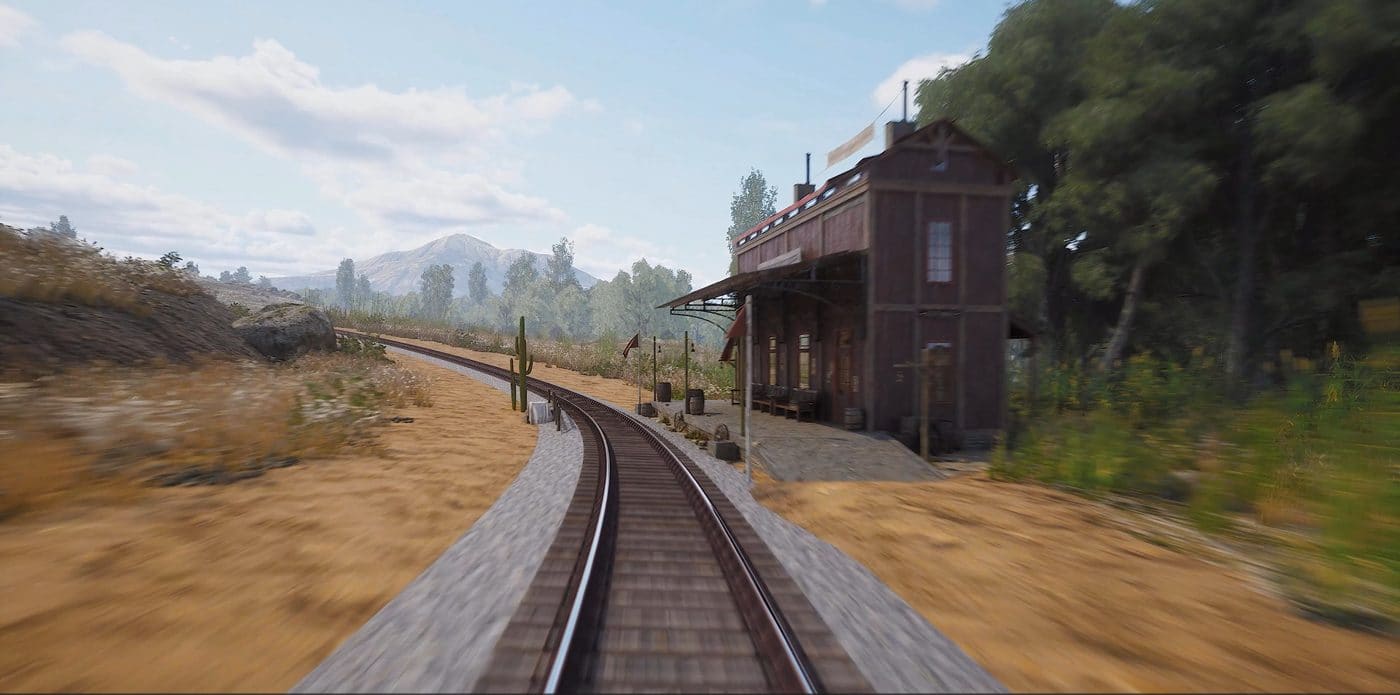
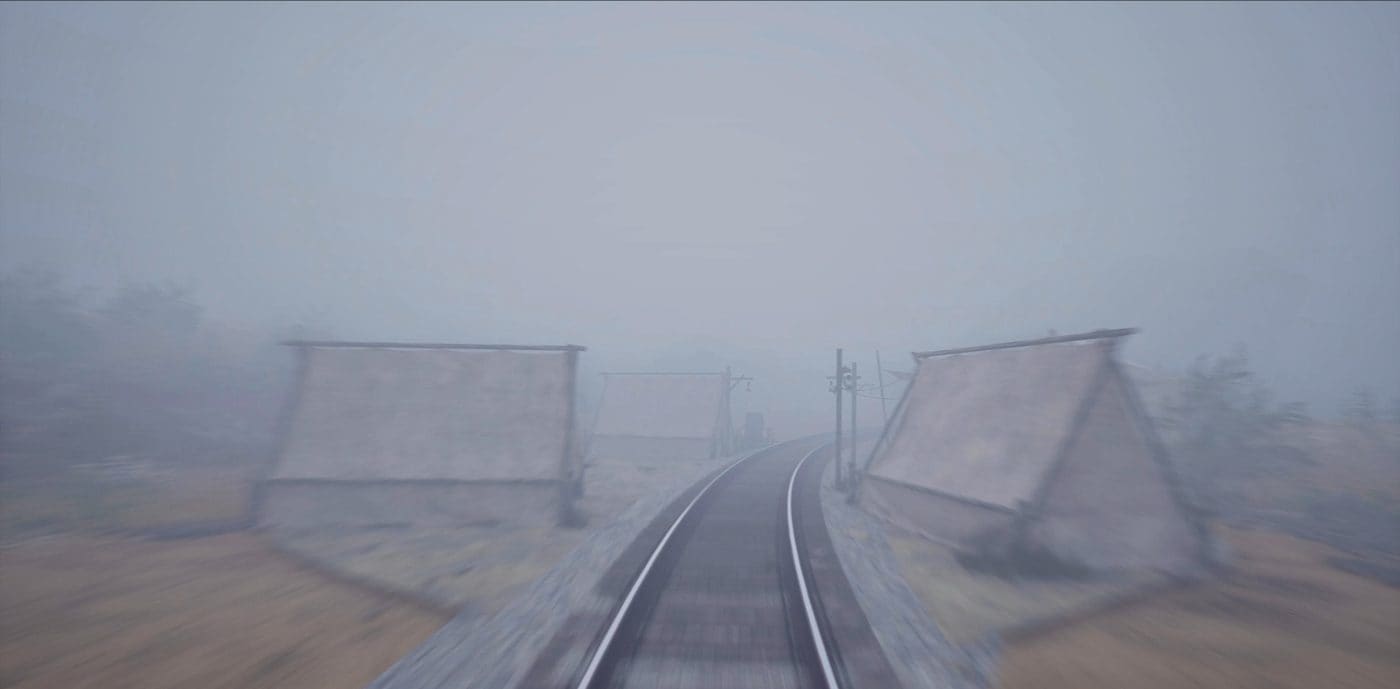
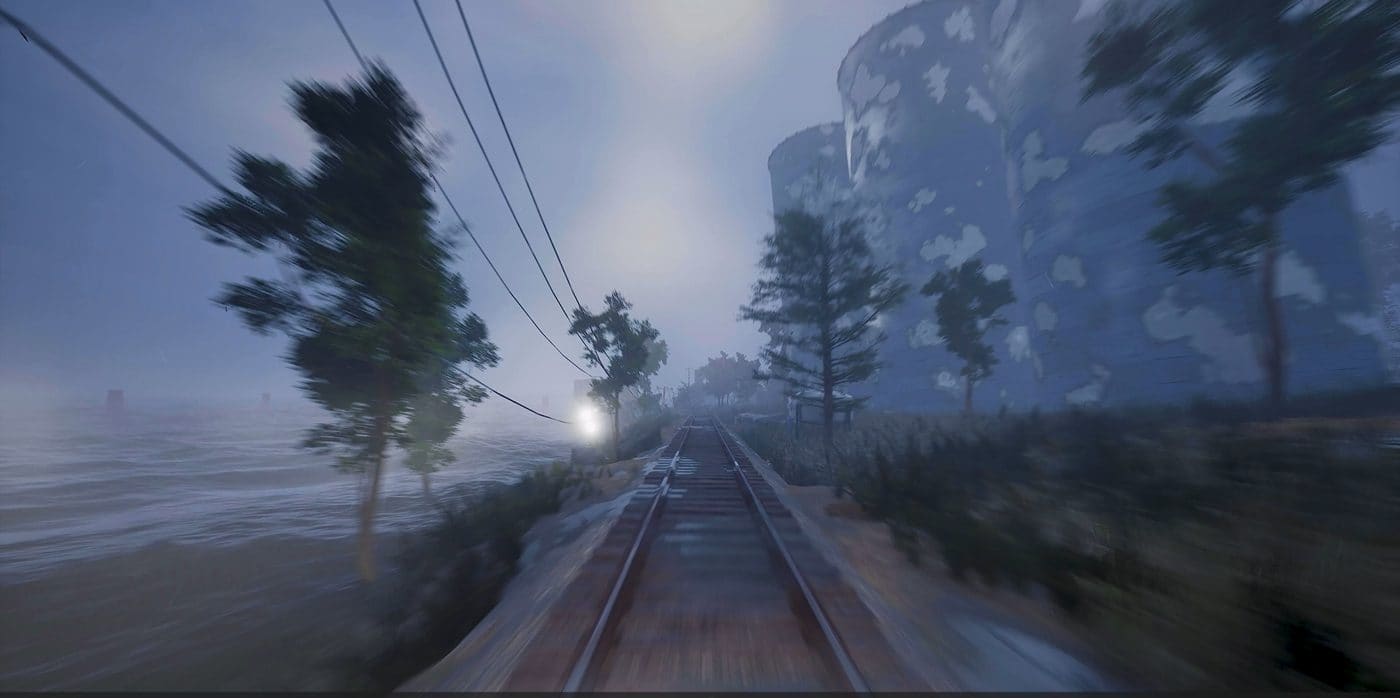
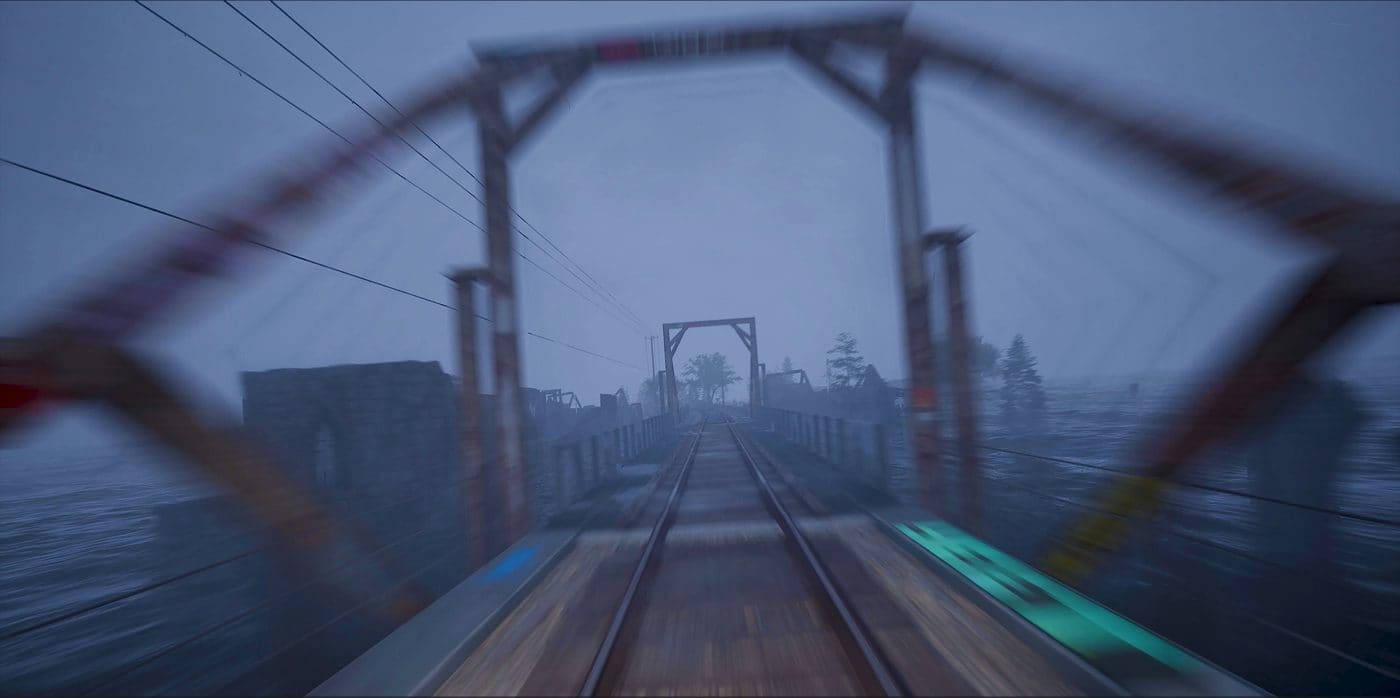
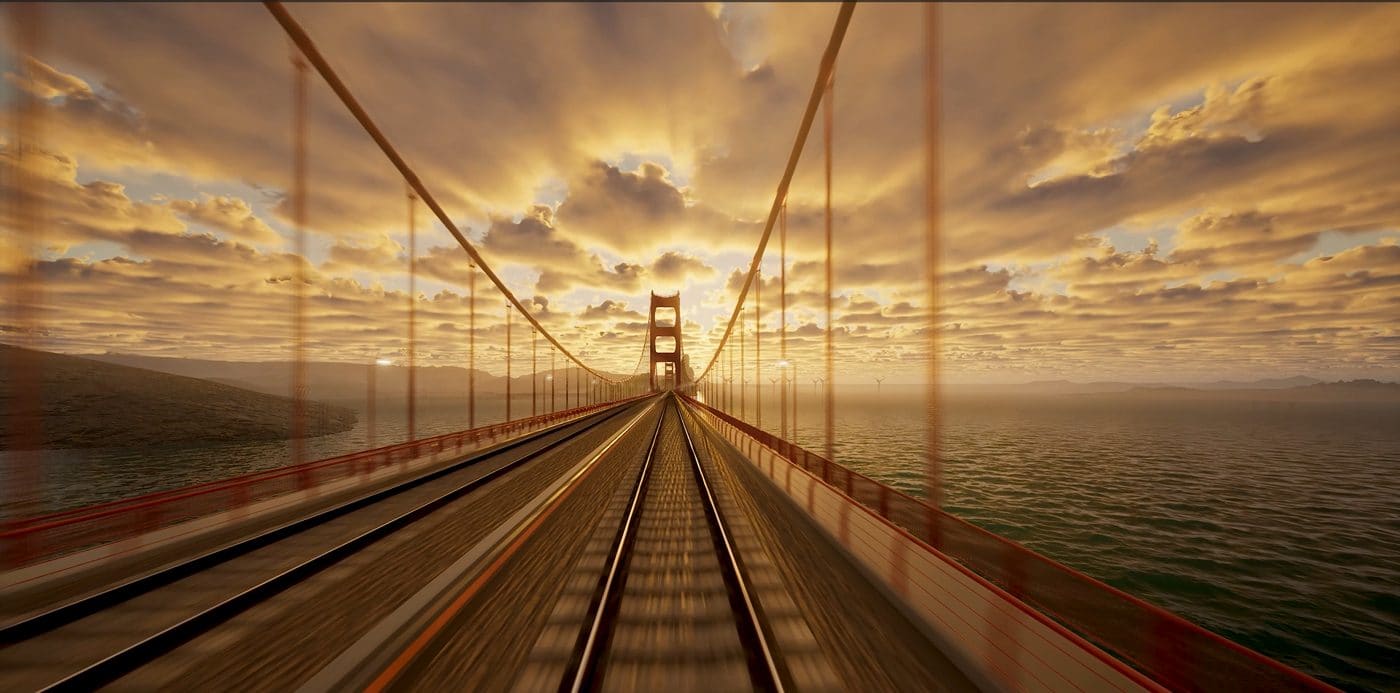
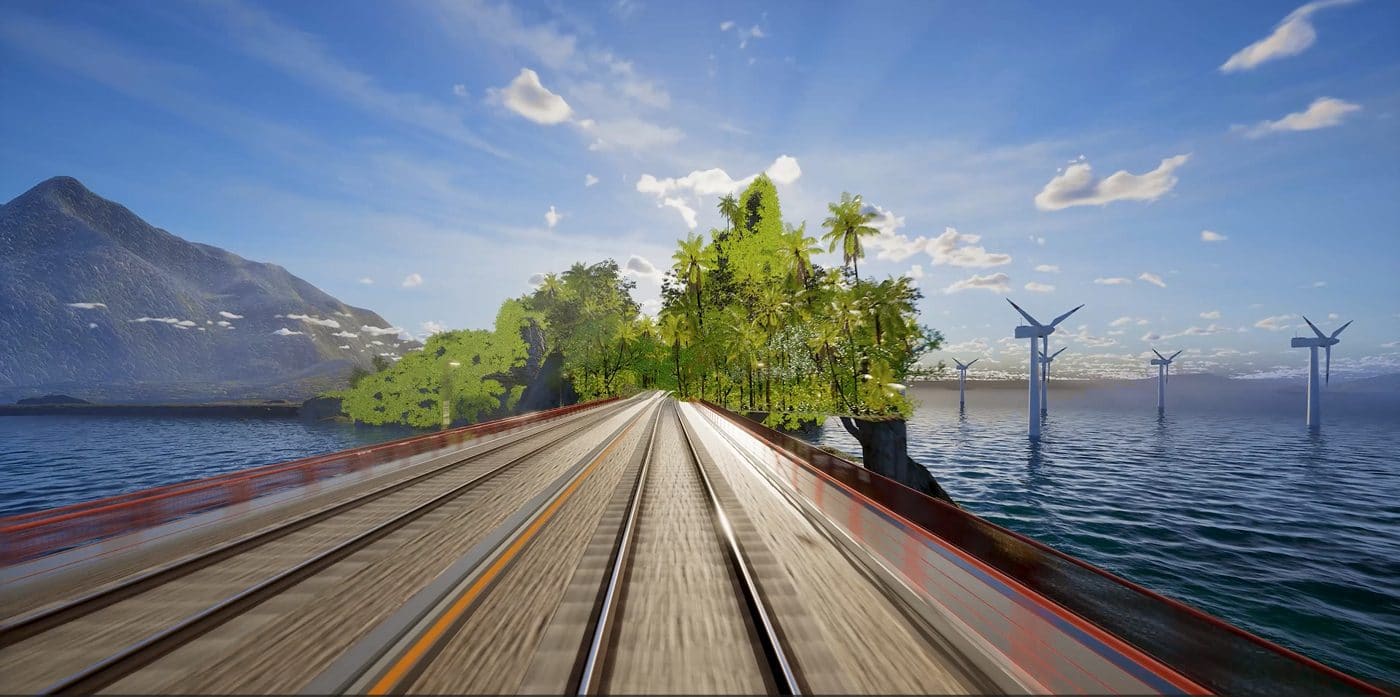
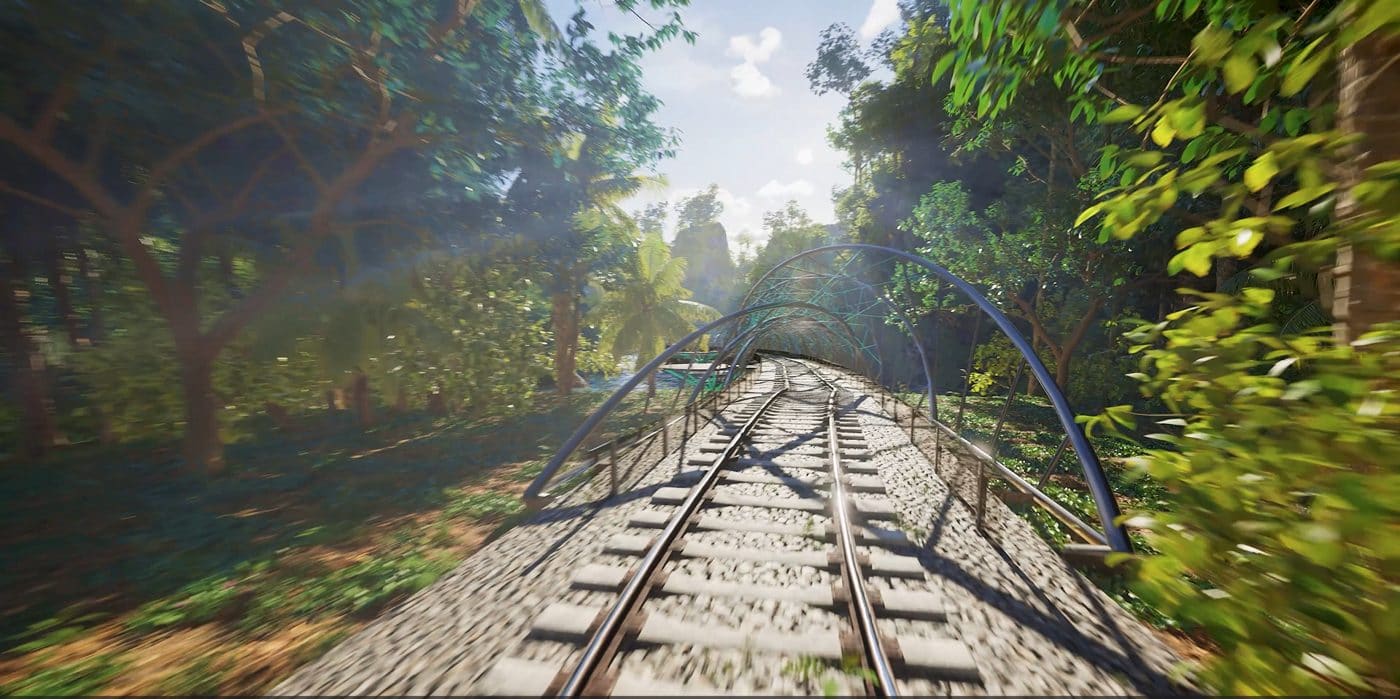
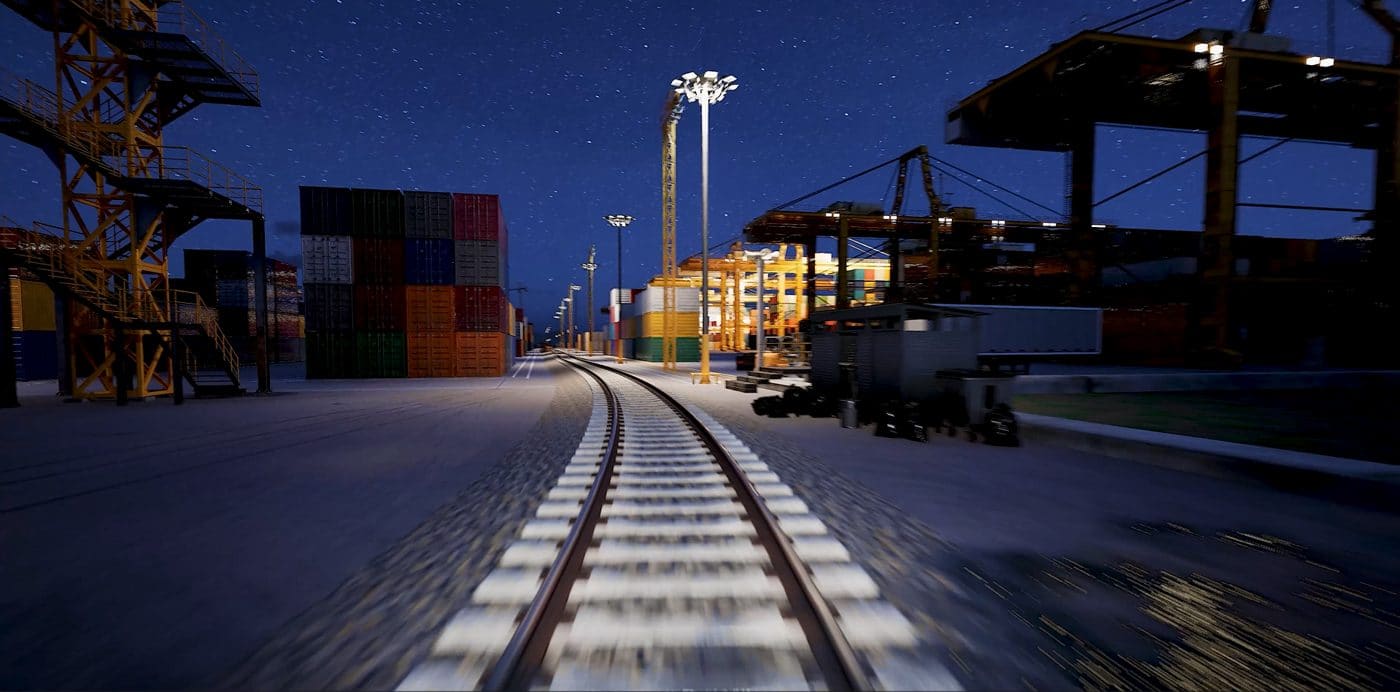
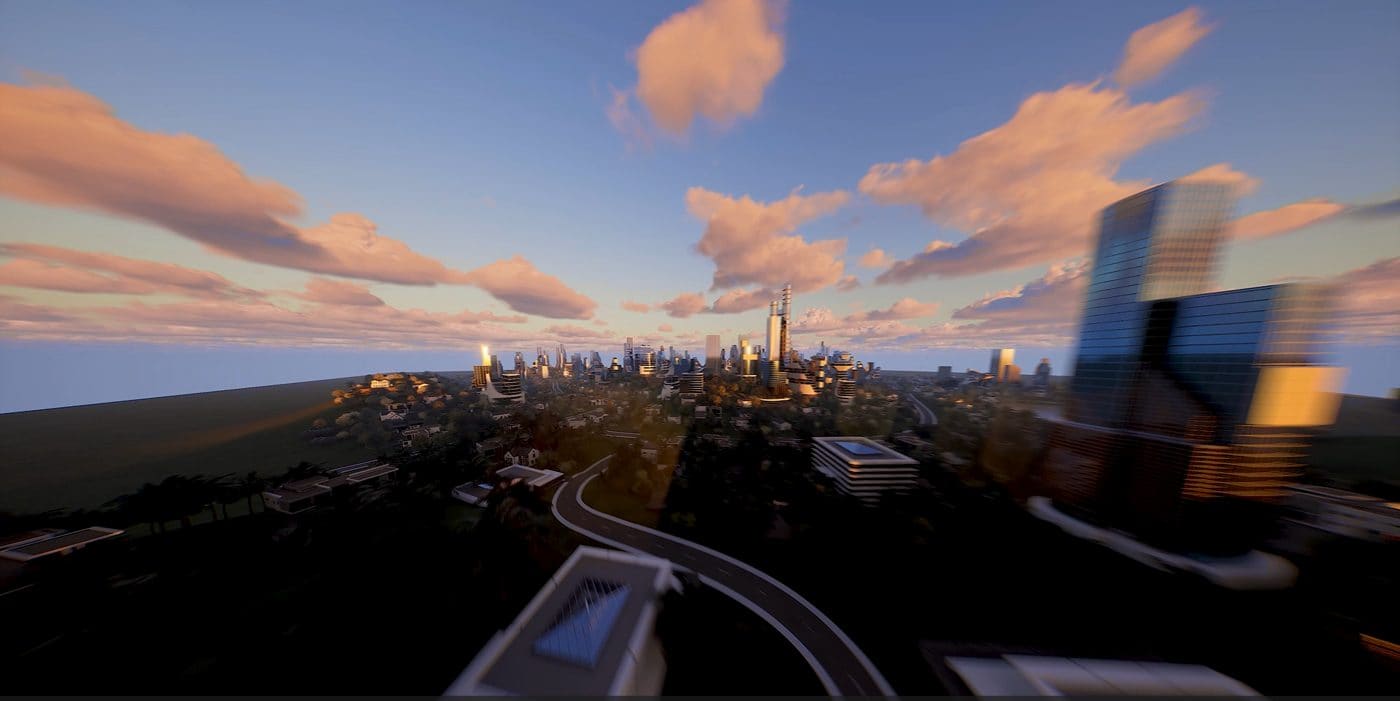
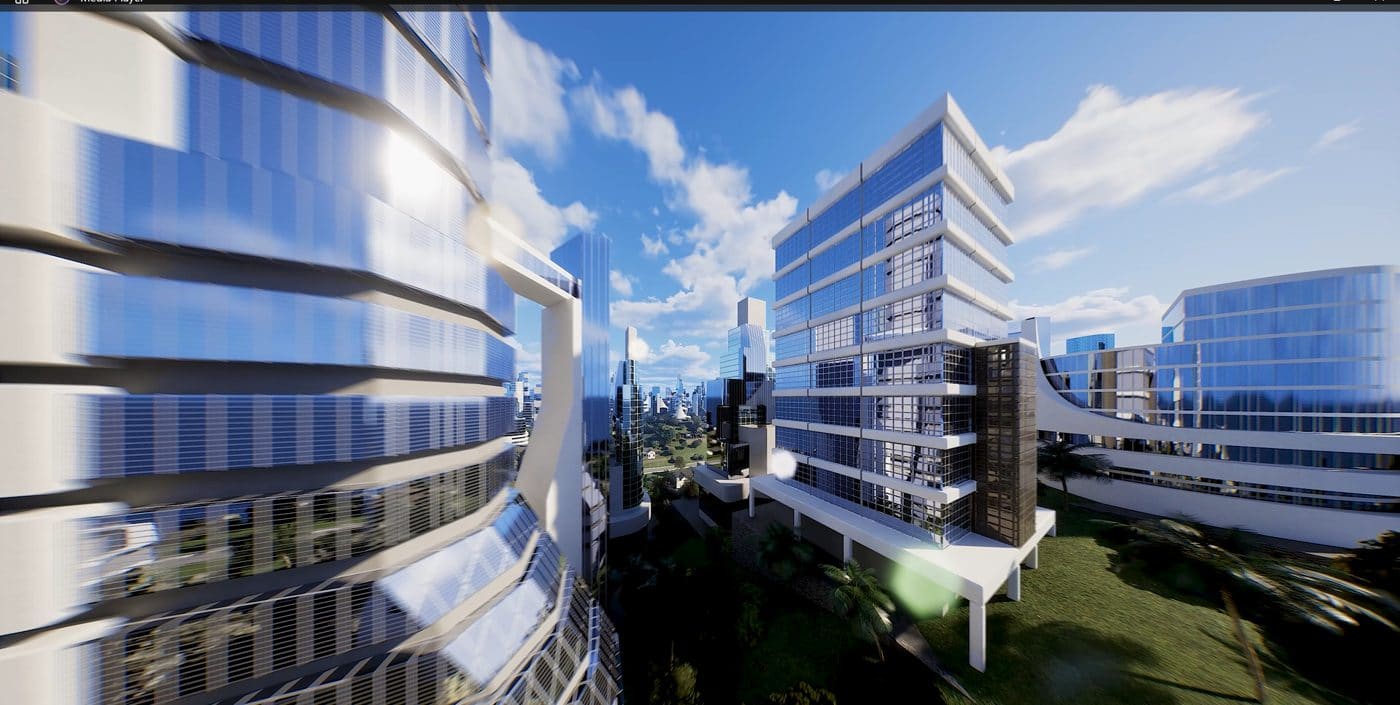
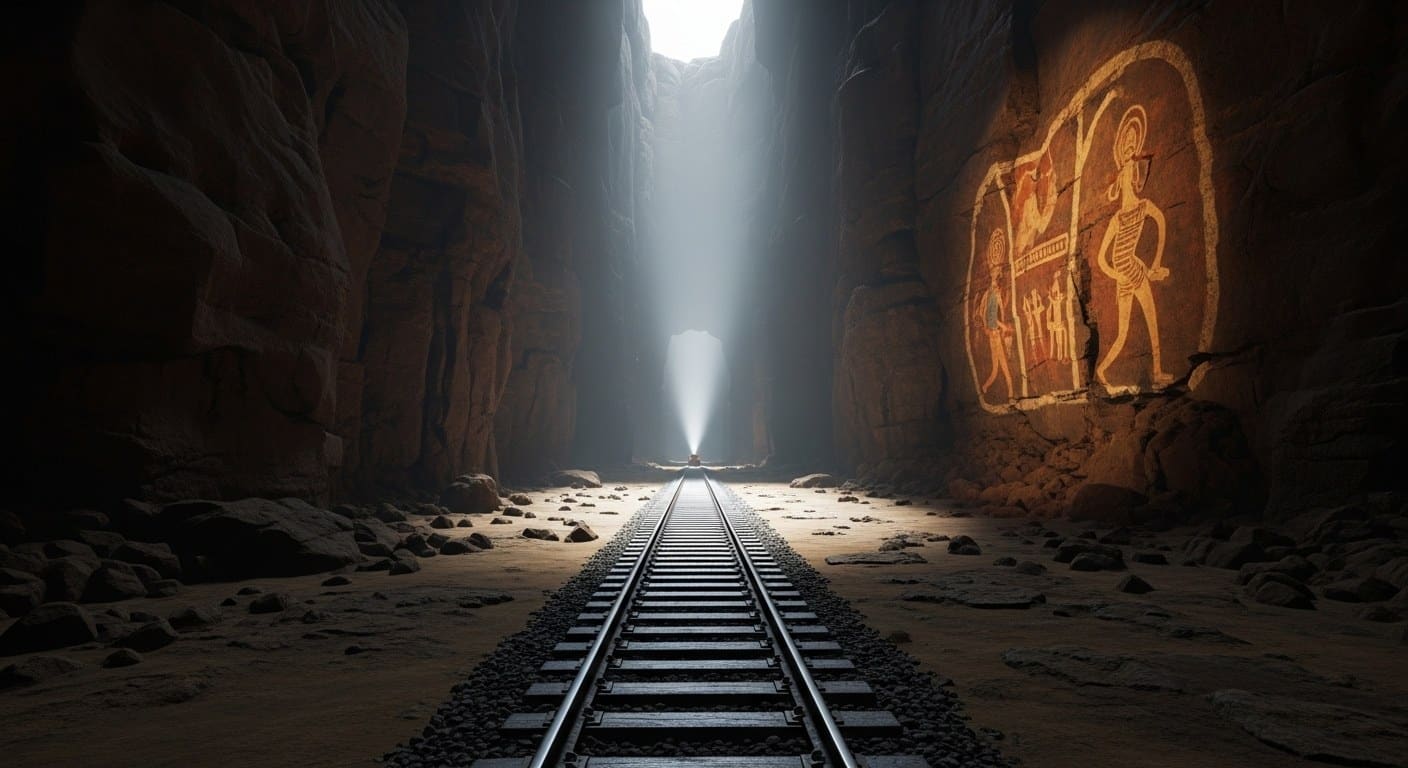
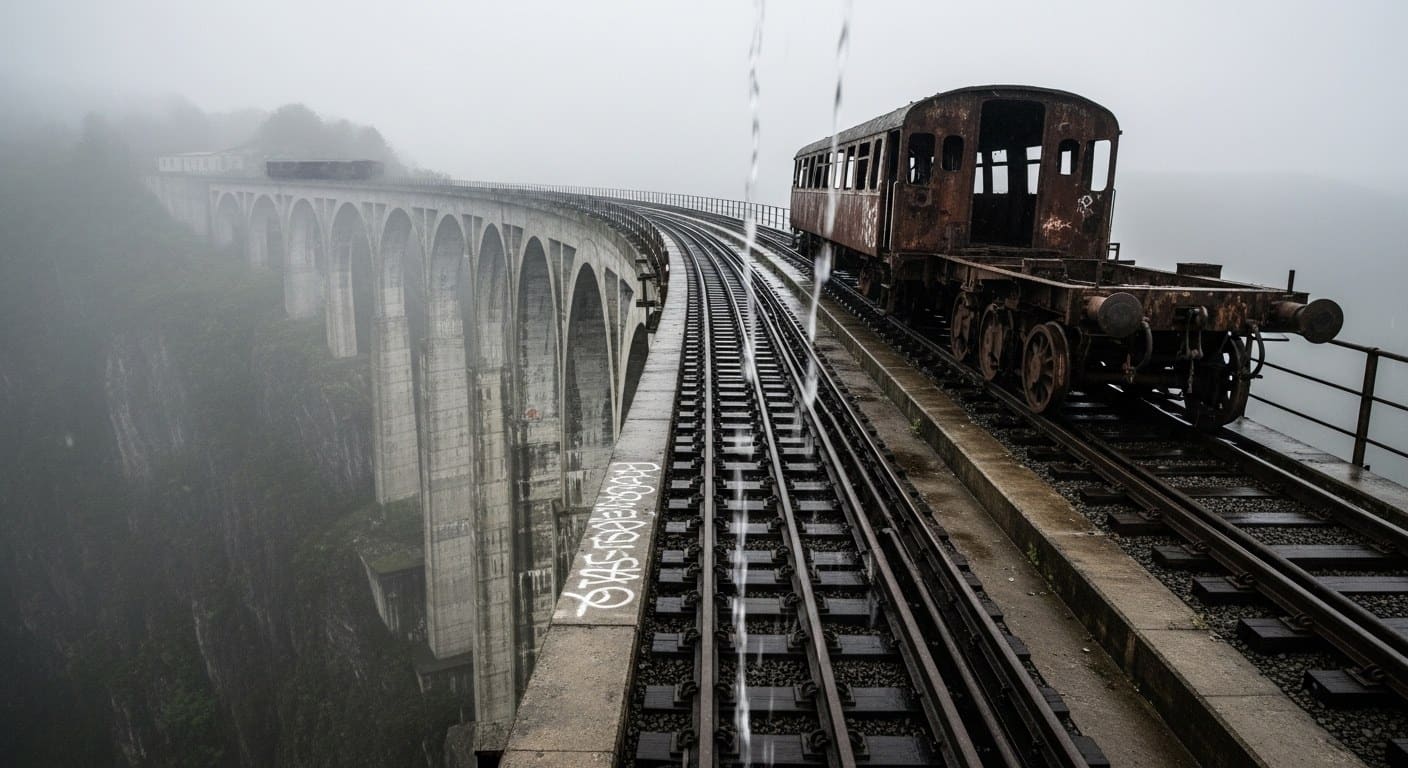
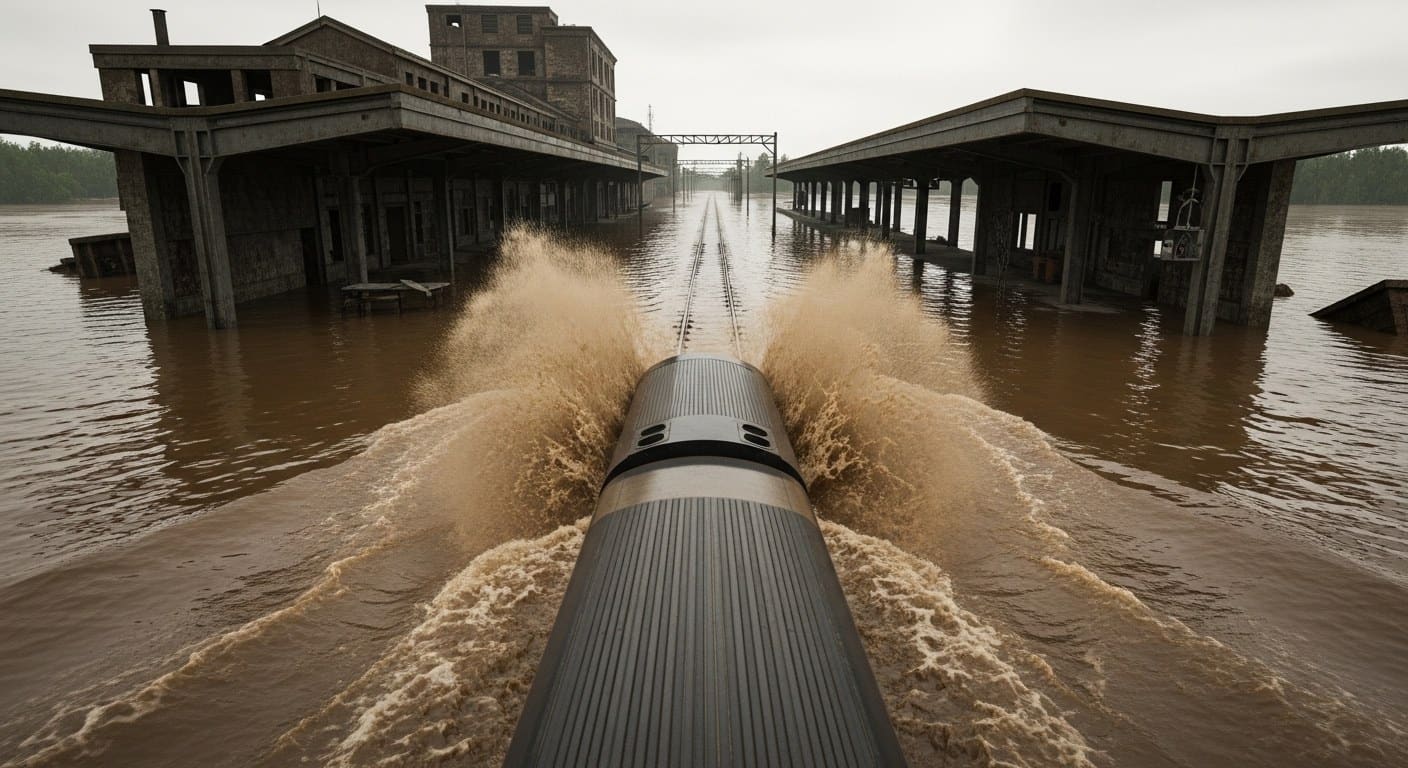
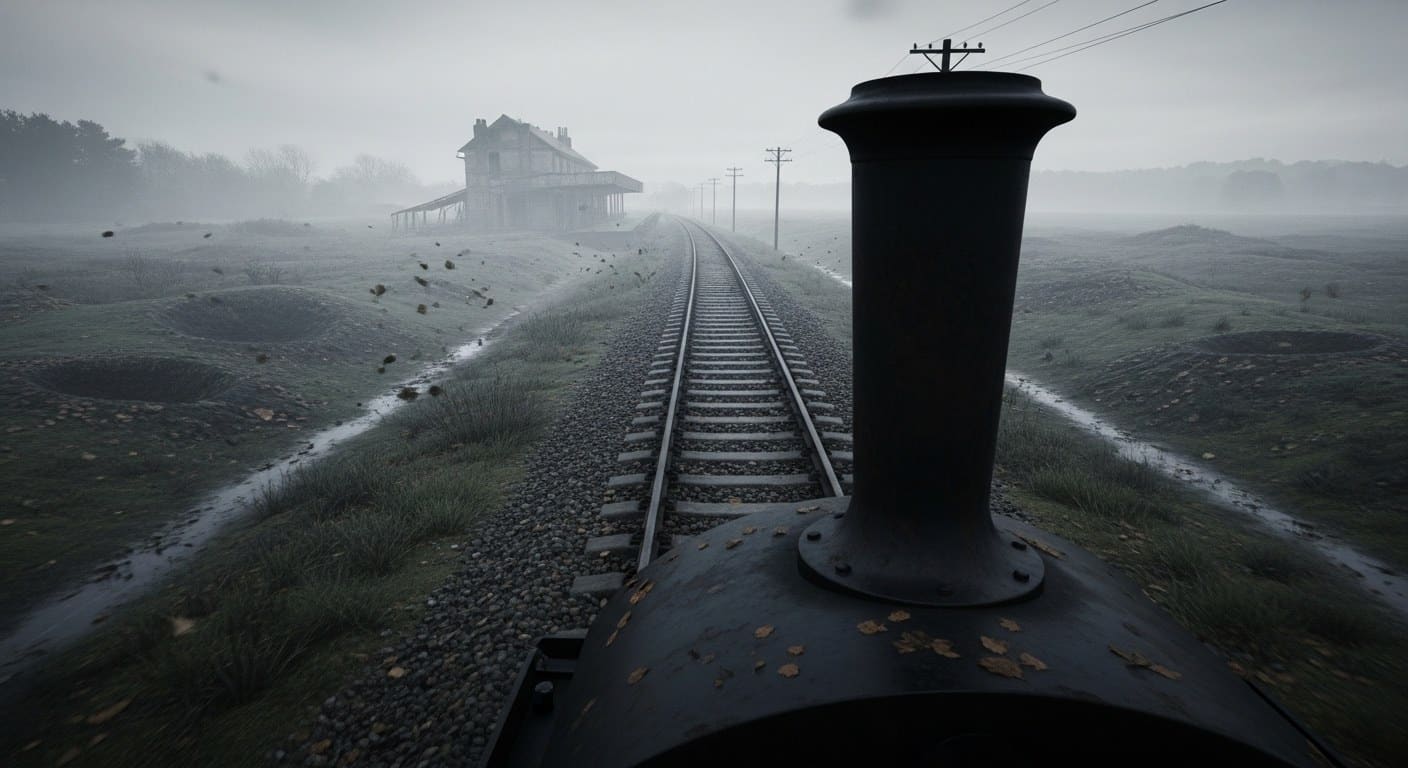
Twenty frames from the finished ride, in the order they play. The film treats the railway as a lifeline with four ages, and the seat plays each one differently. Ancient trade first: a painted cave, the Afar canyons, caravans crossing lava fields, a slow, heavy crawl. Then steam, the yards and station at Dire Dawa, the old train working hard. Then the years of flood and silence on a rusting track, the platform lurching and creaking. Then the electric line at full speed onto an ocean of light, into a port at night, and up into a city not built yet, where the motion goes weightless. Five minutes, a hundred years, one line.

One idea carries the ride

The railway as the Lifeline of Nations: not infrastructure but the artery between two countries, carrying trade, conflict, pride and hope. Every scene and every jolt of the seat serves that idea, which a ride from A to B never had. The Captain tells it, a voice who is the railway itself.

Four acts in five minutes

Act I, the growth of trade: a cave of rock paintings, camel caravans, a golden-hour bazaar, the steam yards of Dire Dawa, a wild-horse chase. Act II: shellfire, then a flooded, rusting line and a crocodile. Act III: the electric train at speed into the port. Act IV: a hyperloop over Addis.

Motion written like a script

Each act gives the six-axis platform a character. Heavy and mechanical for the steam train, with a smooth stop at the station. Violent in the war, all heave and jolt. Effortless surge and long banking rolls for the modern train. Weightless for the hyperloop. Every beat names its motion cue.

Wind and water on cue

The room's effects are cast, not sprinkled. Desert wind in the canyon. A wall of water as the old train plunges into the flood and a crocodile lunges at the car. Sea spray on the causeway at 120 kilometres an hour. The roar of the waterfall on the way to the future.

Plan first, build fast

Four weeks, one act per week, one week to integrate. Each act had a master document, seven sections from emotional tone to sound design, and a storyboard where every frame carried its timecode, action, narration, motion cue and effects note before Unreal was opened. The finished ride departs from it in places.

Closing thoughts

A simulator is a very expensive way to show someone a landscape. It earns its seats only when the motion, the effects and the picture are all telling the same story, and that starts on paper, not in the engine.

Unreal EngineMotion rideCreative direction2025